Please find other articles you may
find interesting.
Use the buttons bellow to share this news article.
Fill out the form below and stay tuned for news and event information.
The disability support sector is continuing to evolve in 2026, and NDIS community support services are becoming more refined, responsive, and participant-focused than ever before. What began as a funding system has matured into a framework that prioritises independence, dignity, inclusion, and real-life outcomes.
Today, community support is about far more than assistance with daily tasks. It is about empowering participants to build skills, strengthen confidence, and actively engage in their communities. Let’s explore the key trends and innovations shaping the future of NDIS community support services this year.
How NDIS Community Support Services Are Evolving in 2026
One of the most significant developments is the stronger emphasis on truly personalised care.
Support planning is no longer routine-based. Instead, services are built around:
Participants are increasingly involved in shaping their own support journey. Whether someone wants to improve daily living skills, develop social confidence, or work toward employment, services are becoming more goal-driven and outcome-focused.
This shift ensures support feels empowering rather than restrictive.
Technology Enhancing Independence
Innovation in technology is playing a major role in transforming service delivery.
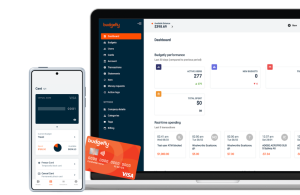
Modern providers are using secure digital platforms to manage support schedules, record progress, and improve communication with families. This enhances transparency and keeps everyone aligned with participant goals.
From smart home devices and communication aids to mobility equipment, assistive technology is supporting greater independence. These tools help reduce barriers and increase everyday confidence.
While face-to-face interaction remains essential, virtual sessions and digital check-ins are becoming more common. This flexibility improves accessibility and allows participants to stay connected even when in-person support isn’t possible.
Technology is not replacing human support – it is strengthening it.
Stronger Focus on Meaningful Community Participation
Community participation is no longer just about attending events. It is about belonging, connection, and purpose.
Modern NDIS community support services now prioritise:
These initiatives help participants build friendships, gain confidence, and feel valued within their communities. Real inclusion leads to long-term independence.
Life is dynamic, and support services are adapting accordingly.
In 2026, flexibility is a defining feature of high-quality community support. Providers are offering:
This adaptability ensures support remains relevant as participant goals evolve. It also provides families with reassurance that services can adjust when circumstances change.
Investment in Workforce Development
Quality support begins with skilled professionals. As expectations rise, so does the emphasis on training and professional standards.
Support workers are now receiving:
This investment strengthens relationships between participants and support workers. Consistency, empathy, and competence are essential for delivering meaningful outcomes.
Greater Transparency and Accountability
The NDIS environment continues to strengthen its compliance and quality frameworks.
Participants can now expect:
This increased accountability builds trust and ensures support and alignment with participant goals. It also empowers individuals to have greater control over their services.
Another important trend is the move toward preventative strategies.
Rather than responding only when issues arise, providers are focusing on:
Preventative approaches reduce long-term risks and help participants stay on track toward their goals.
Collaborative Service Delivery
NDIS community support services are increasingly working in partnership with allied health professionals, support coordinators, employment services, and community organisations.
Collaboration ensures:
When services operate in alignment, participants benefit from a more seamless and supportive experience.
Commitment to Inclusion and Cultural Awareness
Respect for diversity continues to grow within the sector.
Providers are strengthening their focus on:
Inclusive service delivery builds trust and ensures every participant feels understood and valued.
What This Means for Participants
These advancements are not just structural improvements – they directly enhance everyday life.
Participants can expect:
The overall direction of NDIS community support services is clear: empowerment over dependency, collaboration over isolation, and growth over limitation.
How Aspire Community Services Aligns With These Innovations
At Aspire Community Services, the focus remains on delivering high-quality, person-centred NDIS community support services that reflect these evolving standards.
By prioritising flexibility, professional development, and participant-led planning, Aspire Community Services ensures support is tailored, transparent, and aligned with individual goals.
Because effective community support is not just about assistance – it is about helping participants build confidence, independence, and a fulfilling future.
In 2026, NDIS community support services are more innovative, accountable, and participant-focused than ever before. With advancements in technology, stronger professional standards, and a commitment to personalised care, the sector continues to evolve in meaningful ways.
For participants and families, this means improved service quality, greater choice, and stronger pathways toward independence.
Choosing a provider that embraces these modern standards can make a lasting difference. Community support is not just about meeting needs – it is about unlocking potential. Get in touch with Aspire Community Services today to discuss how we can support your goals.
FAQs
Ans: They are supports that help participants with daily living, skill development, and social participation, enabling greater independence and community involvement.
Ans: Services are becoming more personalised, flexible, technology-enabled, and outcome-focused, with stronger emphasis on quality and accountability.
Ans: Yes, Many plans include funding for social and community participation under Core or Capacity Building supports, depending on your goals.
Ans: Look for experience, transparency, qualified staff, flexible services, and strong participant feedback.
Ans: Yes, Providers are required to meet quality standards and regularly review supports to ensure they align with participant goals.
Aspire Community Care offers a range of services that align with NDIS plans. From personal care and skill development to community participation, we provide tailored solutions to help you achieve your goals.
Discover a living solution tailored to your unique needs. With Aspire's Supported Independent Living, gain the freedom to live your life while receiving the support you deserve. Don't wait to make your next move.
Accommodations Video
Unlock a world of opportunities and community integration with Aspire. From enriching day trips to supportive daily care, we're your gateway to a more fulfilling life.

By suscribing you agree to all terms and conditions and our privacy policies. If you have any questions please contact us via email.

Provider Registration ID: 4-FYF796Y
ABN: 16 636 863 191
Aspire Community Services acknowledges the Traditional Owners of the lands on which we operate throughout regions, recognizing their deep-rooted connection to the land, waters, and culture. We pay our respects to Elders past, present, and emerging.




Aspire Community Services proudly celebrates the rich diversity of our communities. Every individual, irrespective of race, religion, age, disability, gender, or sexual orientation, deserves to be treated with dignity and respect. We stand firmly against all forms of discrimination, committed to fostering an inclusive environment that honors the uniqueness of all those we serve.
Registered with TAC: